
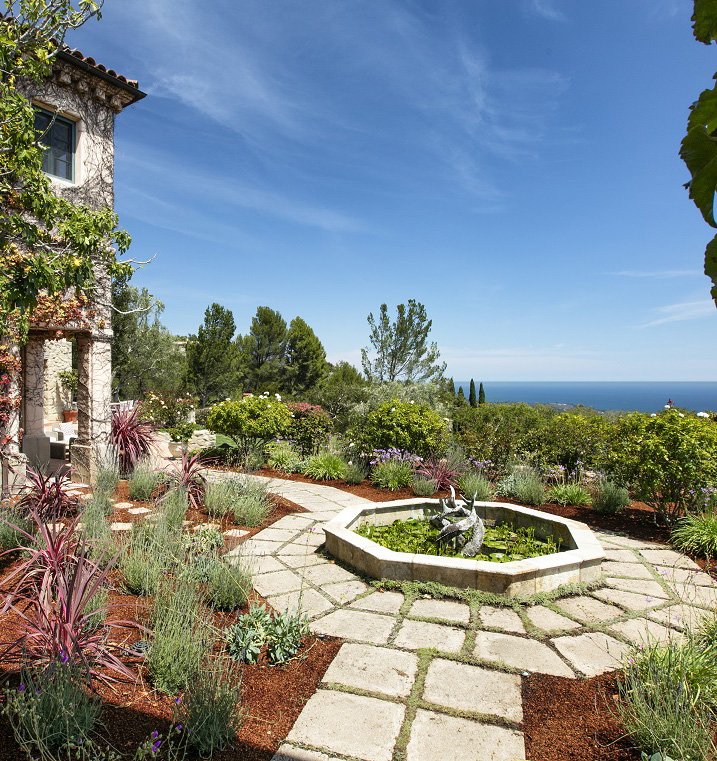
Designing in Place
Our work is shaped by a close understanding of how homes are lived in and experienced within their surroundings. Each project is approached individually, with careful attention to site, landscape, and the broader character of its setting.
We approach each project in a hands-on and highly personal way, drawing from experience across residential design, construction, and high-end real estate. This perspective brings a more complete understanding of not only how a home is designed, but how it is lived in, positioned, and ultimately valued.
Principles
Our process begins with observation. Before form or material language is defined, we take time to understand how a site behaves—how light moves across it, how it relates to the landscape, and how the home should unfold in response.
Light
We consider how light moves through a home throughout the day, shaping openings, massing, and interior sequence in a way that feels natural to its setting.
Material
Materials are selected with care, not only for their appearance, but for how they weather, soften, and settle over time within the environment.
Landscape
Architecture and landscape are developed together, allowing the home to feel connected to its surroundings rather than set apart from them.
Privacy and sequence
We think carefully about approach, entry, and spatial layering, creating a quiet sense of arrival and a natural progression through the home.
Region
SoCal / Montecito / Santa Barbara / Los Angeles
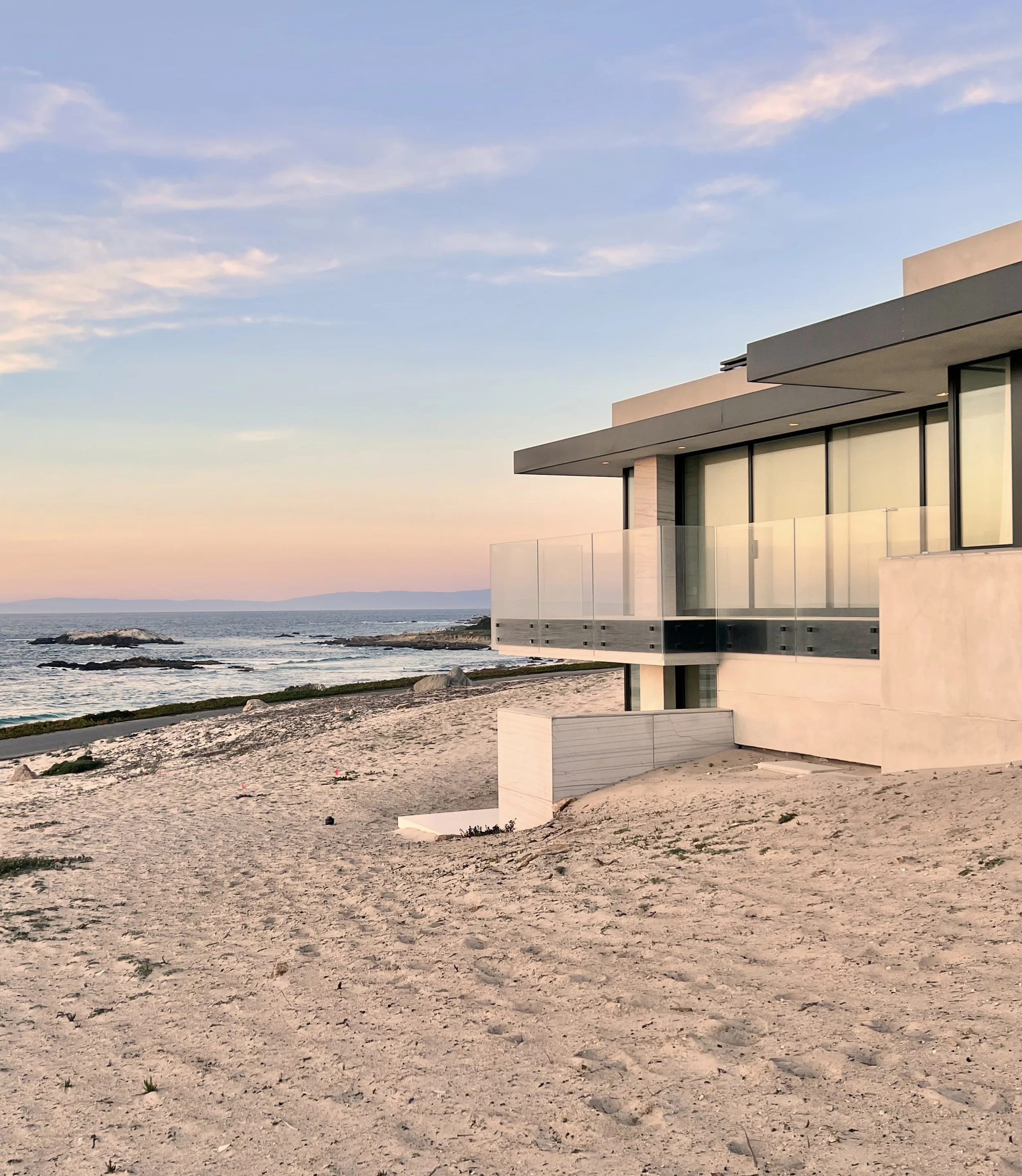
In Montecito and Santa Barbara, architecture is shaped as much by restraint as by form. The relationship between house and garden is essential, with an emphasis on softened transitions, filtered light, and a material palette that feels settled within the coastal landscape. A sense of ease, privacy, and quiet integration with the surroundings guides the design.
NorCal / Pebble Beach / Carmel
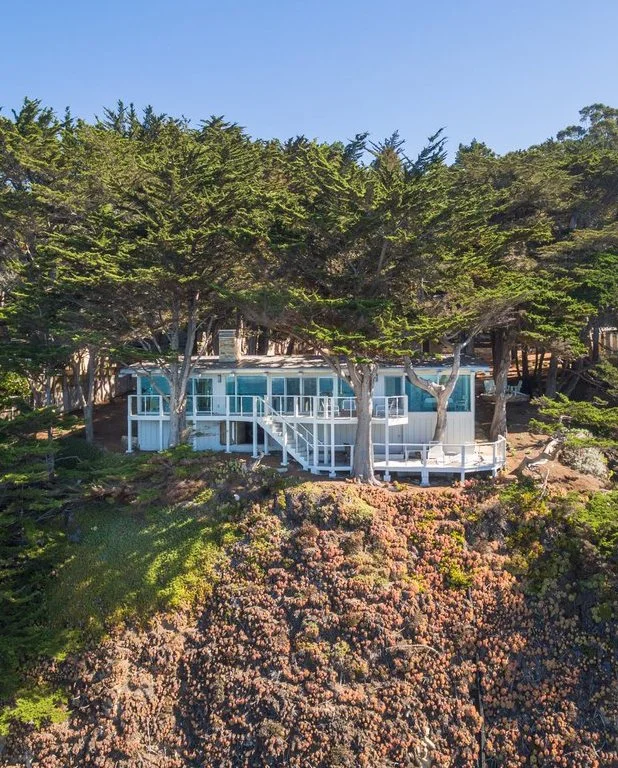
Along the Monterey Peninsula, architecture responds to a more rugged and atmospheric coastline. Wind, fog, cypress, and stone influence the character of a home, calling for a sense of shelter, material depth, and a more grounded presence within the landscape.
Desert / Texas / Arizona
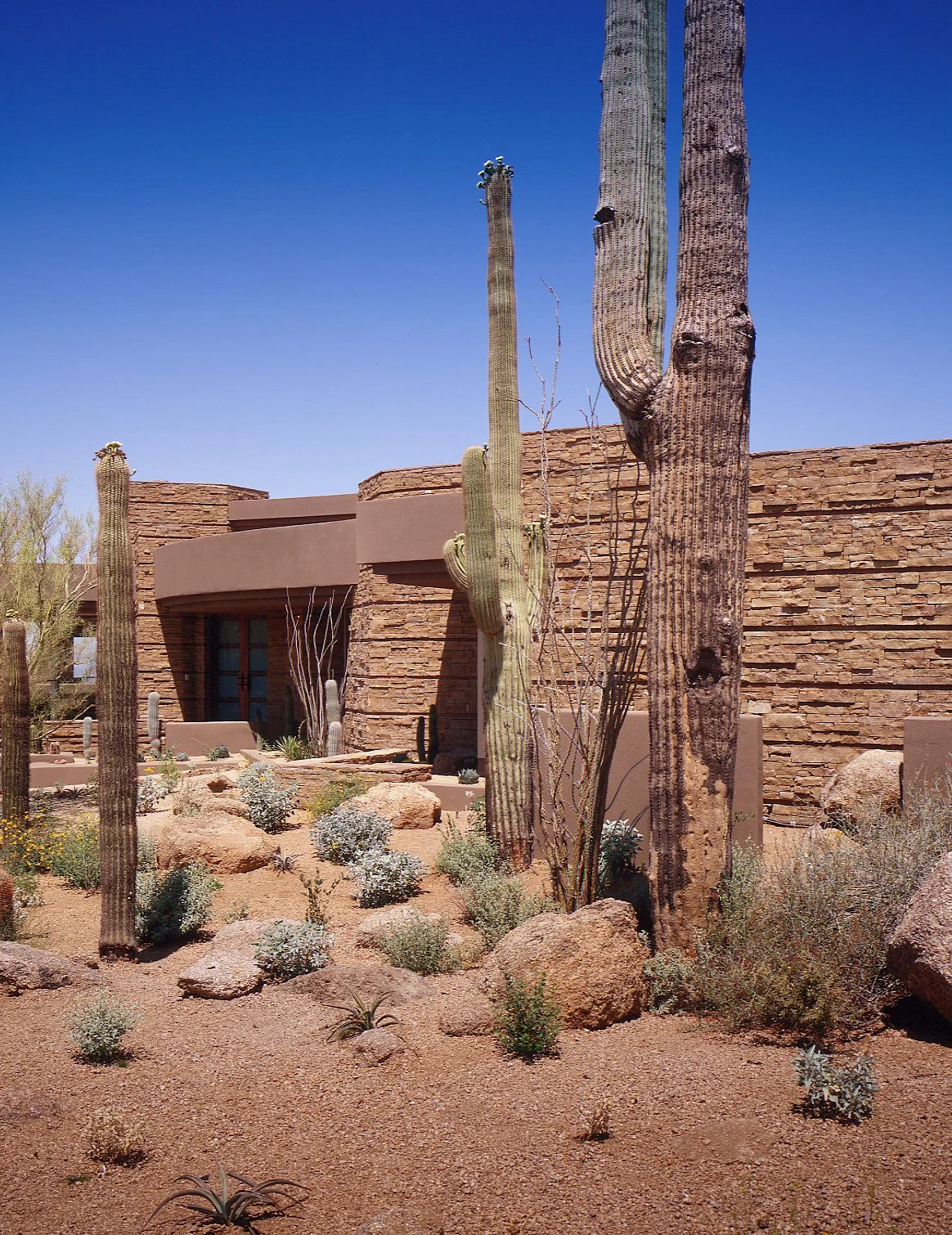
In hotter inland climates, shade, proportion, and comfort become central. Form is used to create protection from the elements while maintaining a strong connection to outdoor living.
Mountain / Coeur d’Alene / Jackson Hole / Aspen
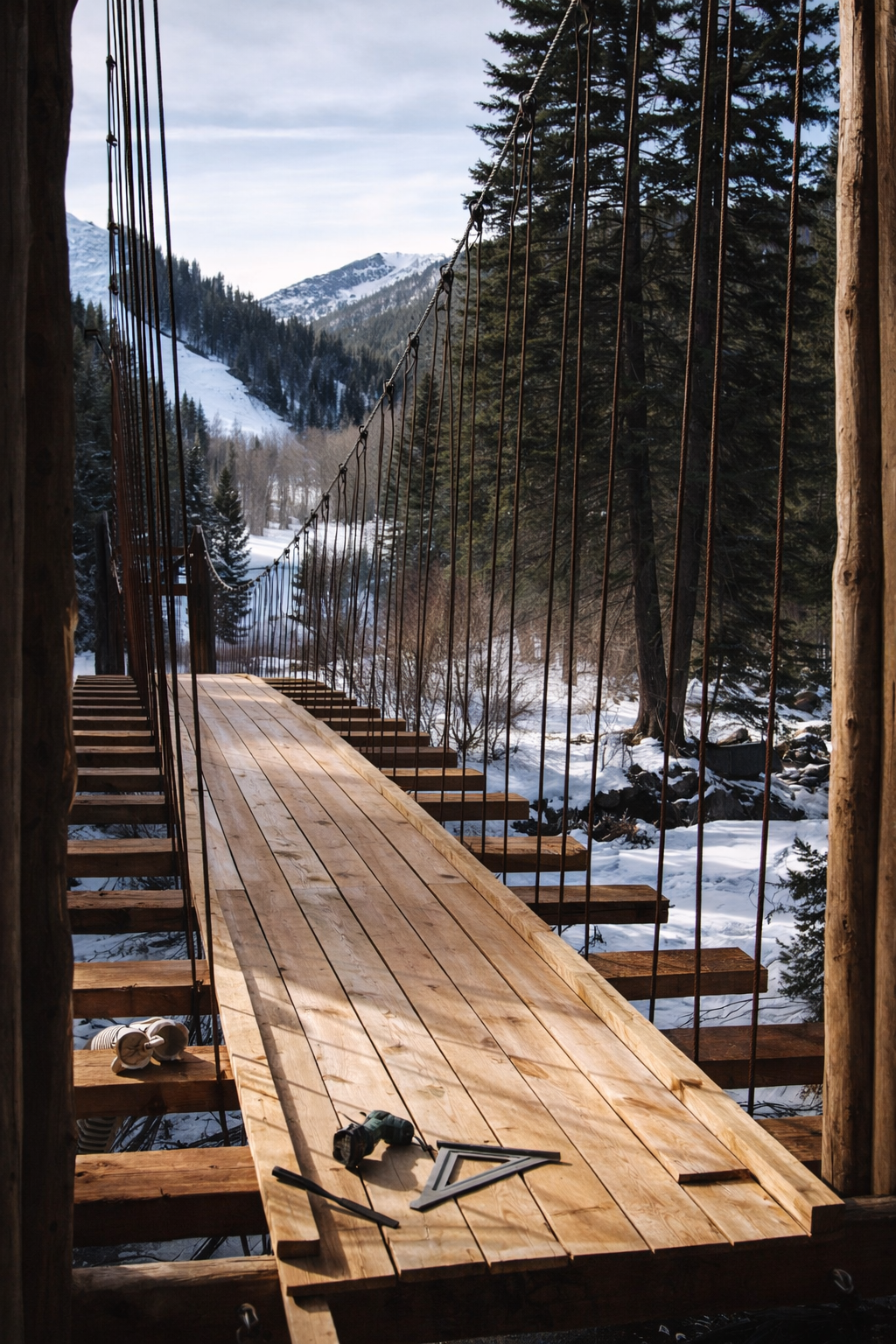
In mountain environments, architecture is shaped by topography, climate, and a closer relationship to structure and material. Timber, stone, and deeper overhangs provide both shelter and presence, while openings are positioned to frame views and manage light across changing seasons. The architecture feels more grounded and protective, responding to both the landscape and the conditions of the site.
Coastal / Caribbean
In tropical, coastal environments, architecture begins with openness, ventilation, and a direct connection to outdoor life. Shaded transitions and climate-responsive materials shape the design from the outset.
In Practice
Each project begins with a close understanding of its setting—light, landscape, and conditions. From there, the architecture develops in a way that feels natural, considered, and enduring. We remain closely involved throughout the process, ensuring each home is thoughtfully resolved from concept through completion.